
What If Africa Emulated China’s Strategy to Attain Growth and Economic Development?
Over the past four decades, China has experienced one of the most remarkable economic transformations in modern history, evolving from a largely poor and agrarian society into a global economic powerhouse. Africa, a continent rich in natural resources, human capital, and cultural diversity, has also made progress but has not yet achieved the same level of rapid and sustained development. As Africa looks toward the year 2050, a compelling question emerges: What if African nations emulated aspects of China’s development strategy to accelerate growth and economic transformation? Exploring China’s path alongside Africa’s current realities provides important insights into how the continent could shape its economic future.
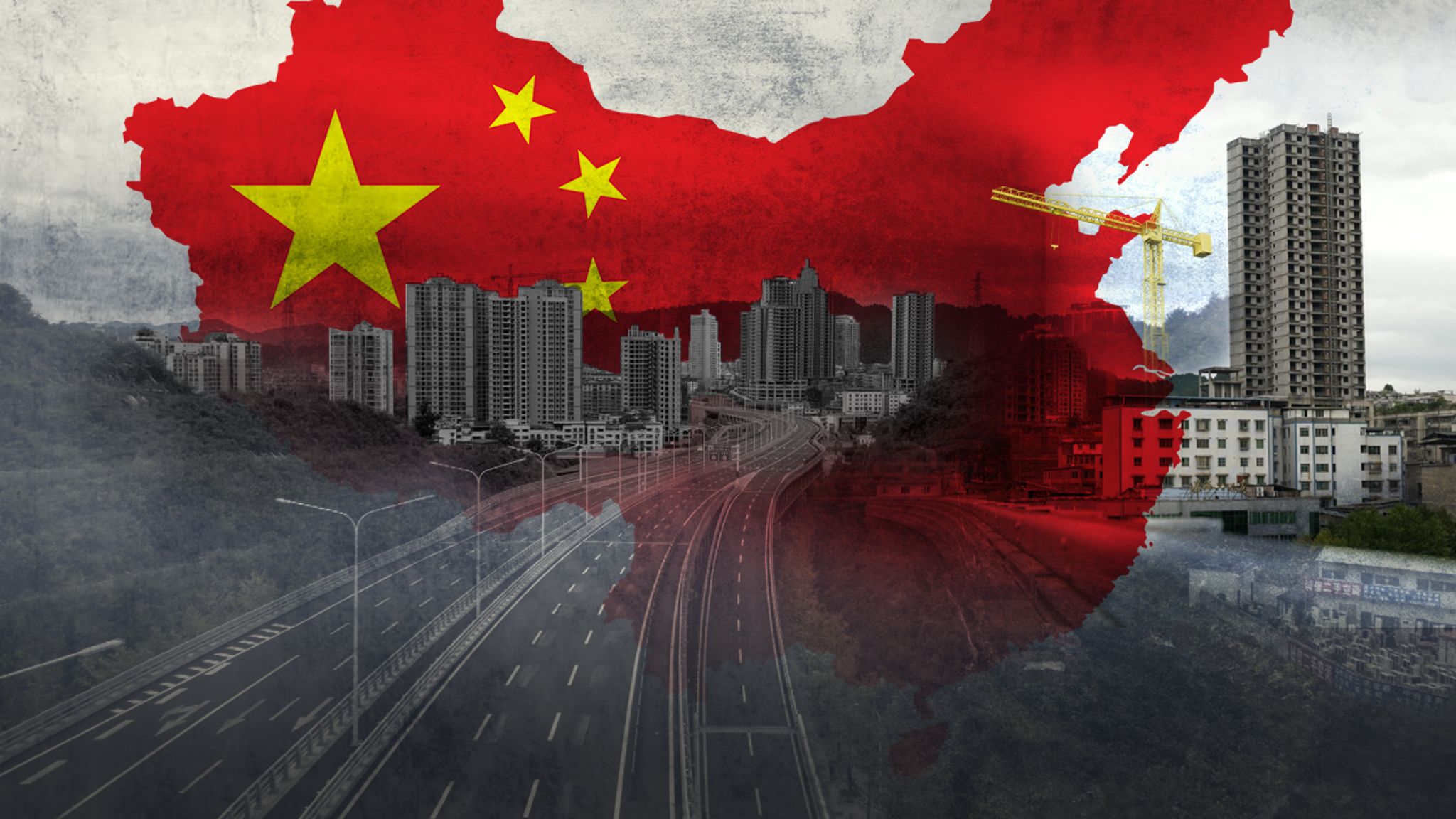
Over the past four decades, China has experienced one of the most remarkable economic transformations in modern history, evolving from a largely poor and agrarian society into a global economic powerhouse. Africa, a continent rich in natural resources, human capital, and cultural diversity, has also made progress but has not yet achieved the same level of rapid and sustained development. As Africa looks toward the year 2050, a compelling question emerges: What if African nations emulated aspects of China’s development strategy to accelerate growth and economic transformation? Exploring China’s path alongside Africa’s current realities provides important insights into how the continent could shape its economic future.
China’s rise was not accidental but the result of deliberate, coordinated, and long-term planning. A major driver of this transformation was the adoption of national development plans that extended across decades. These plans prioritized industrialization, innovation, infrastructure, education, and export-driven growth. Africa, where many governments operate under shorter-term political cycles, often lacks the continuity required for long-term economic strategies. Emulating China’s long-range planning model—adapted to local contexts—could enable African countries to set the foundation for sustained development.
One of China’s most successful strategies was its emphasis on manufacturing. By becoming the “factory of the world,” China created millions of jobs, expanded its export base, and built a strong industrial sector. Africa, on the other hand, largely exports raw materials while importing finished goods, resulting in lost economic opportunities. If African nations prioritized building manufacturing capabilities—particularly in agro-processing, textiles, pharmaceuticals, automotive production, and mineral beneficiation—they could capture far more value from their own resources. Developing industrial zones near ports, railways, and major cities could further stimulate growth, just as China’s manufacturing hubs did.
Infrastructure investment was another key pillar of China’s development. Before achieving rapid growth, China focused on building extensive networks of roads, railways, airports, ports, and reliable electricity systems. In contrast, many African countries continue to struggle with inadequate infrastructure, which increases production costs and discourages investment. By prioritizing large-scale infrastructure projects—especially in transportation, energy, and digital connectivity—Africa could create an enabling environment for business expansion and global competitiveness.
Education and skills development also played a central role in China’s rise. The Chinese government heavily invested in science, technology, engineering, math (STEM), and technical training to prepare its population for a modern economy. Africa’s youthful population presents a tremendous opportunity, but only if young people are equipped with the skills demanded by emerging industries. Expanding vocational training, strengthening STEM education, and supporting innovation hubs would help create a skilled workforce capable of driving industrialization and technological advancement.
A particularly innovative strategy used by China was the creation of Special Economic Zones (SEZs). Shenzhen, once a fishing village, became a global technology and manufacturing hub under SEZ policies that attracted both domestic and foreign investment. Africa has begun experimenting with SEZs, but many remain underutilized. By developing well-managed, investor-friendly SEZs linked to trade corridors and ports, African countries could create powerful engines for export growth, technology transfer, and job creation.
If Africa successfully adopted and adapted these strategies, the continent could experience significant benefits by 2050. Industrialization would generate millions of jobs, reduce dependence on imported goods, and create stronger domestic markets. Export growth would strengthen Africa’s position in global trade, while improved infrastructure would connect the continent’s economies more efficiently. Ultimately, these changes could contribute to higher incomes, reduced poverty, and the emergence of a large, stable middle class.
However, it is important to recognize that Africa should not replicate China’s model exactly. The continent has its own strengths, such as vibrant democratic systems, rich cultural networks, and increasing digital innovation. Africa can pursue development in a way that protects the environment, respects community rights, and encourages diverse economic participation. The goal is not to copy China but to adapt the most effective elements of its strategy to Africa’s unique context.
In conclusion, if African nations emulate the key components of China’s development strategy—long-term planning, industrialization, infrastructure investment, skills development, and SEZ-driven growth—the continent could experience a powerful economic transformation by 2050. China’s success demonstrates that rapid development is possible with clear vision and strategic coordination. Africa’s immense potential suggests that, with the right approach, the continent could rise as a major global economic force in the coming decades.