
Burkina Faso Is Sending a Message to Africans Across the Globe: Are We Listening?
In recent years, Africa has witnessed a wave of political awakening, popular consciousness, and demands for genuine sovereignty. At the center of this shift stands Burkina Faso under the leadership of President Ibrahim Traoré—a young, assertive, and unapologetically Pan-African figure who has become a symbol of resistance against neocolonial influence. His policies, though debated globally, have sent a strong message to Africans at home and abroad: sovereignty is not granted—it's reclaimed
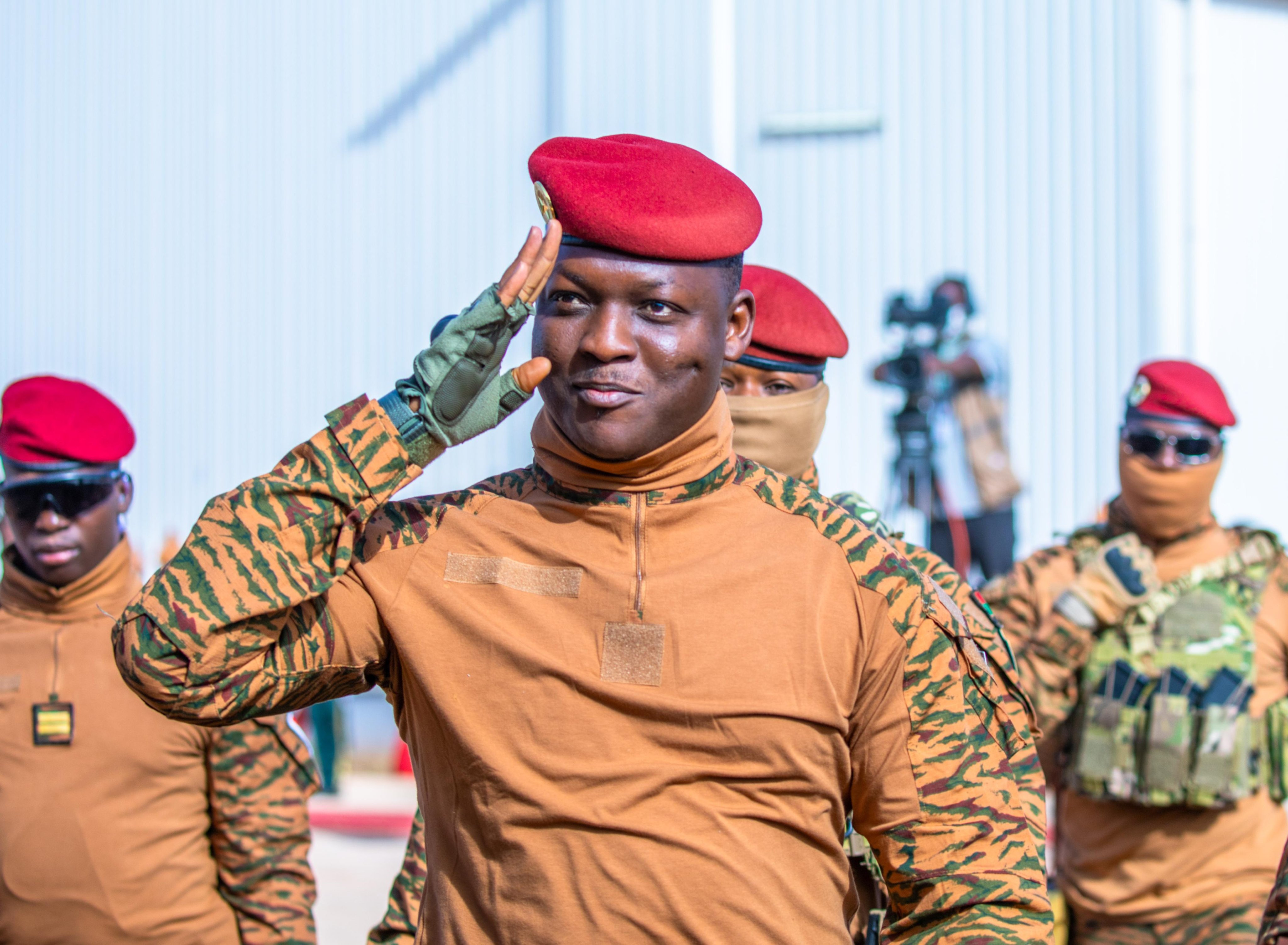
In recent years, Africa has witnessed a wave of political awakening, popular consciousness, and demands for genuine sovereignty. At the center of this shift stands Burkina Faso under the leadership of President Ibrahim Traoré—a young, assertive, and unapologetically Pan-African figure who has become a symbol of resistance against neocolonial influence. His policies, though debated globally, have sent a strong message to Africans at home and abroad: sovereignty is not granted—it's reclaimed.
Reclaiming Sovereignty Through Bold Political Choices
Since assuming leadership, President Traoré has embarked on a transformational agenda aimed at restoring Burkina Faso’s autonomy in critical sectors—security, economy, governance, and foreign affairs. His administration has consistently emphasized three major themes: independence, dignity, and self-determination.
1. Redefining Security Partnerships
One of Traoré’s most consequential moves has been to restructure Burkina Faso’s foreign military relations, particularly its decision to scale back longstanding partnerships that were widely criticized for yielding limited results.
This realignment includes:
· Expelling foreign military elements that were seen as undermining sovereignty
· Pivoting towards new security partners based on mutual respect
· Strengthening local defense forces through community-based initiatives
By choosing to rely more heavily on Burkinabè forces and regional cooperation frameworks, Traoré has reinforced a message that Africans can—and must—take primary responsibility for their own security.
2. Strengthening Economic Independence
President Traoré’s economic reforms center on placing national interests above external pressure. This includes:
· Advocating for the fair management of natural resources
· Promoting value-addition industries instead of exporting raw materials
· Increasing state control over strategic sectors such as mining
· Encouraging local entrepreneurship and rural development
Burkina Faso’s focus on controlling its gold resources, in particular, demonstrates a broader African struggle: transforming natural wealth into national prosperity rather than foreign profit.
3. Governance Rooted in Integrity and Accountability
Traoré has popularized the notion of patriotic governance, emphasizing:
· Anti-corruption
· Transparent leadership
· A people-centered development model
His style—simple dress, unembellished lifestyle, and visible solidarity with ordinary citizens—has strengthened his credibility, especially among the youth.
4. Pan-African Solidarity as a Strategic Tool
Traoré’s Burkina Faso, together with Mali and Niger, has signaled a new era of regional unity free from neocolonial influence. The formation of the Alliance of Sahel States (AES) is a powerful statement: African nations can band together on their own terms, forge common security strategies, and negotiate globally with confidence.
What Message Is Burkina Faso Sending to the World?
Burkina Faso’s trajectory under Traoré communicates a message that echoes beyond its borders:
1. Africans must define their own path.
No nation achieves sovereignty by outsourcing responsibility for its governance, security, or economy.
2. Africa’s resources must benefit its people first.
The continent’s mineral wealth has long enriched others more than Africans themselves.
3. Self-reliance begins with courageous leadership.
Bold decisions often come at a cost, but they spark a mindset of independence.
4. Unity is Africa’s strongest weapon.
Whether through regional alliances, collective bargaining, or shared development goals, African nations are strongest together.
What Can Other African Leaders Learn from Traoré’s Actions?
President Traoré’s leadership offers valuable lessons for the rest of the continent—lessons rooted not in ideology, but in practical statecraft.
1. Prioritize Sovereignty Over Popularity
African leaders must be willing to make tough decisions that safeguard national interests—even when these decisions face external criticism.
2. Leverage Natural Resources Strategically
Countries should renegotiate unfair contracts, invest in local processing industries, and build transparent regulatory frameworks that maximize citizen benefit.
3. Invest in Youth Empowerment
Just like Burkina Faso taps into the patriotism of its people, other governments must harness the potential of young Africans through:
· Skills training
· Leadership opportunities
· Innovation funding
4. Reduce Dependence on Foreign Intervention
While international partnerships remain important, Africa must strengthen its own institutions:
· African-led peacekeeping
· Regional economic alliances
· Homegrown development models
5. Lead by Example
Traoré’s personal discipline and simplicity resonate deeply. African leaders can rebuild trust by:
· Practicing accountable governance
· Reducing excesses
· Staying connected to the realities of their citizens
6. Promote Regional Unity
Whether confronting security challenges or negotiating global trade terms, united African blocs carry far more weight than isolated countries.
Conclusion: A Continent at a Crossroads
Burkina Faso’s new direction is more than a national policy shift—it is a continental message. President Traoré’s leadership challenges Africans from all walks of life to rethink what sovereignty means in the 21st century. His actions demonstrate that real independence requires boldness, clarity of vision, and unwavering commitment to the people.
The question now is not whether Burkina Faso is speaking clearly—it is whether Africa is willing to listen.